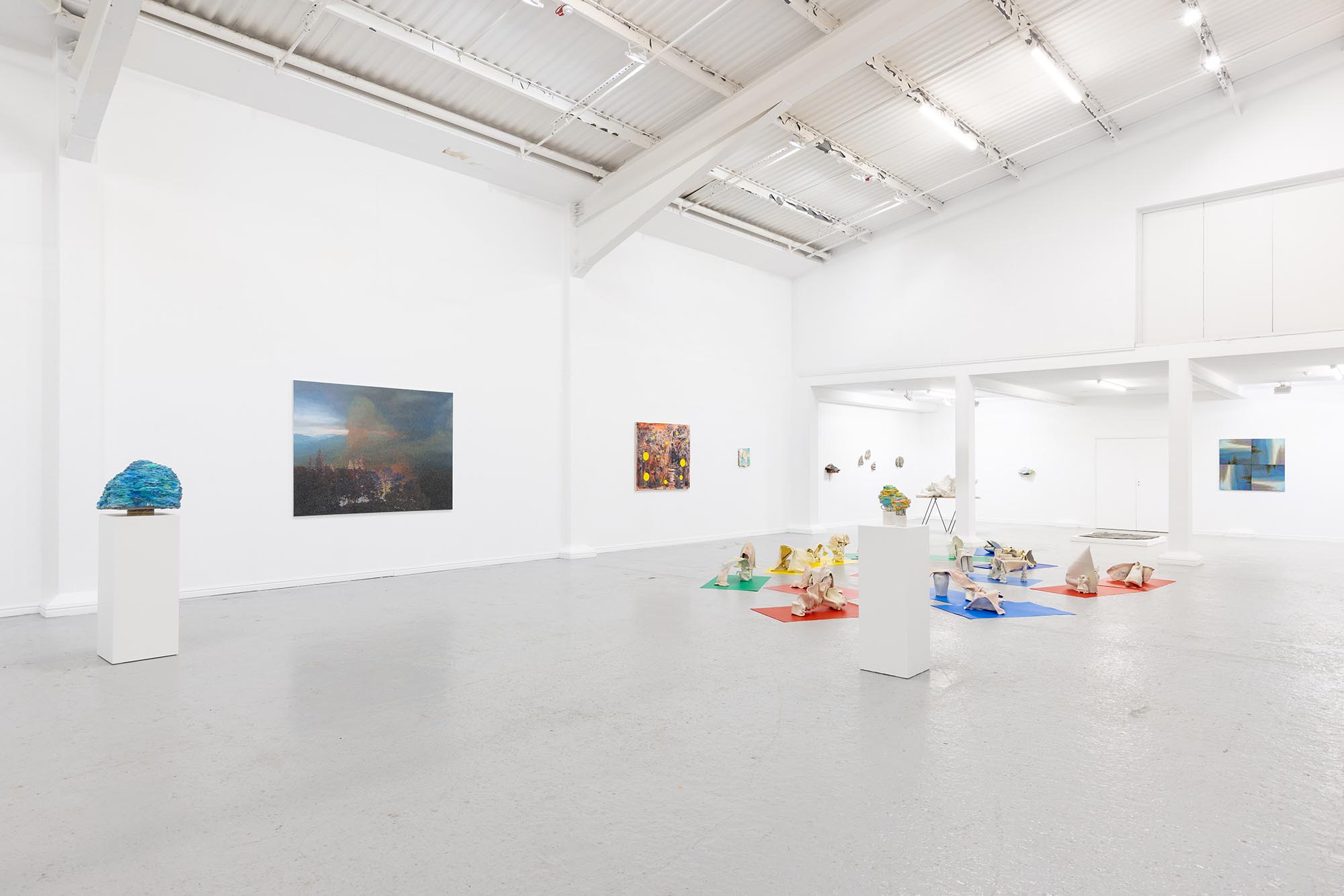
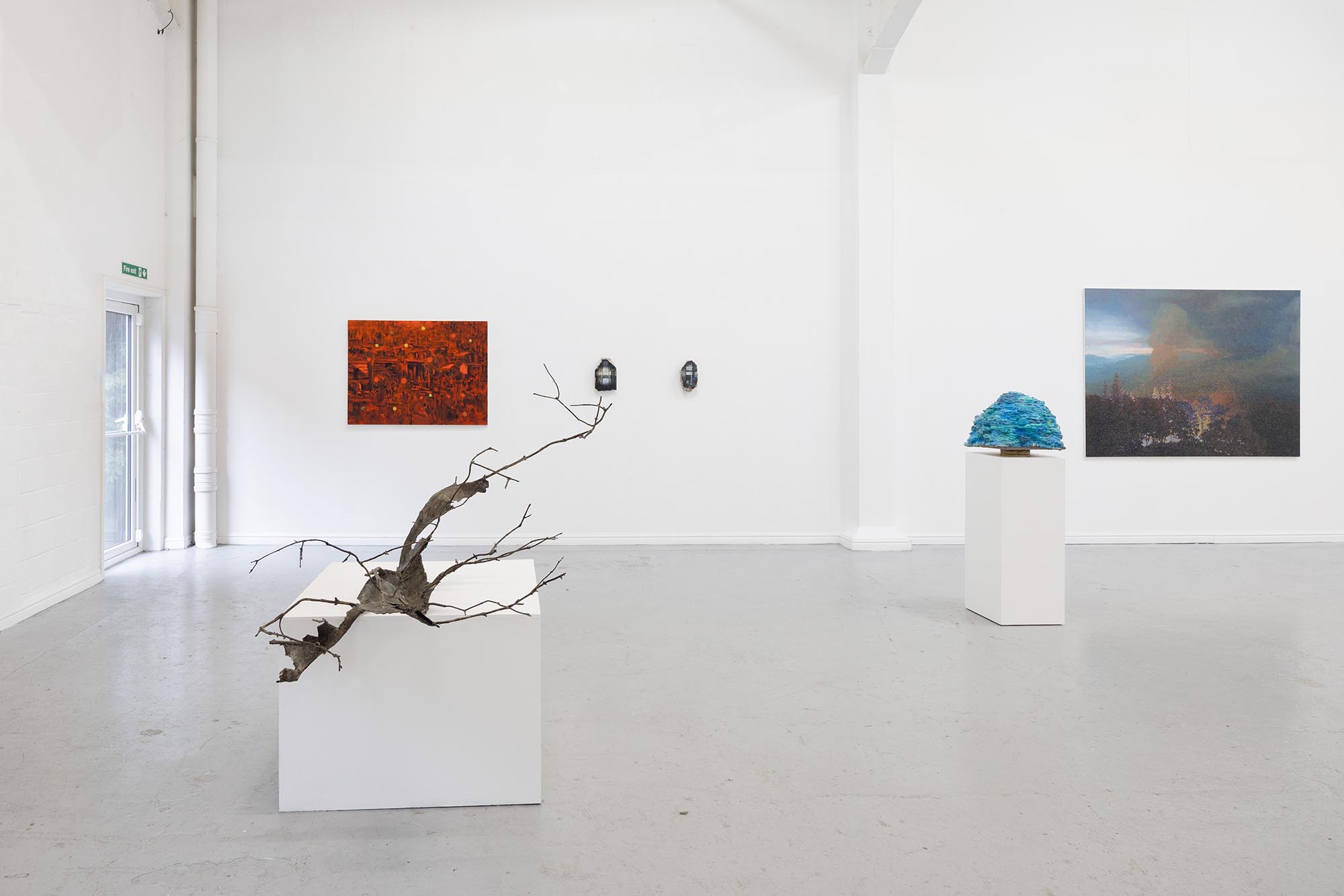
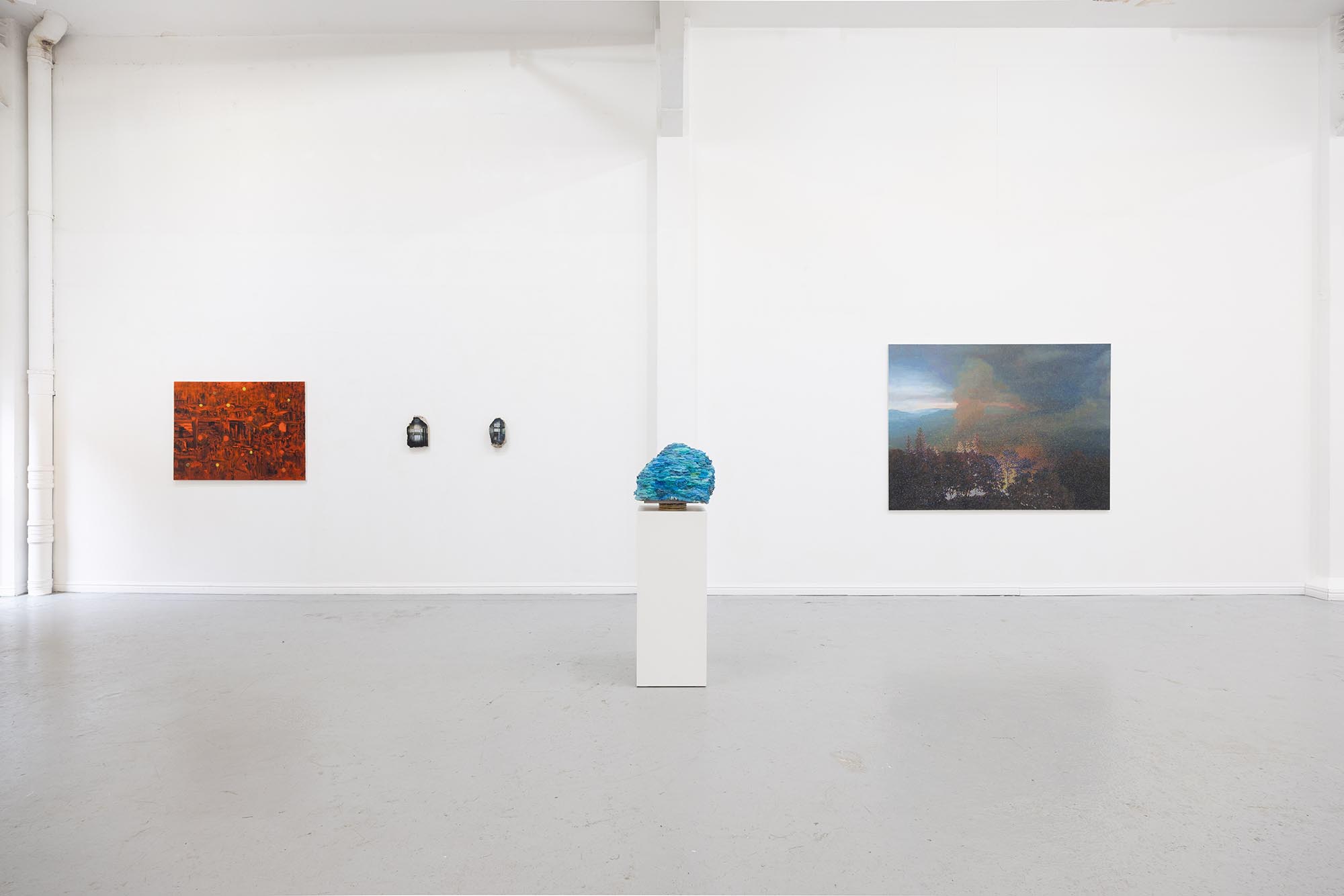
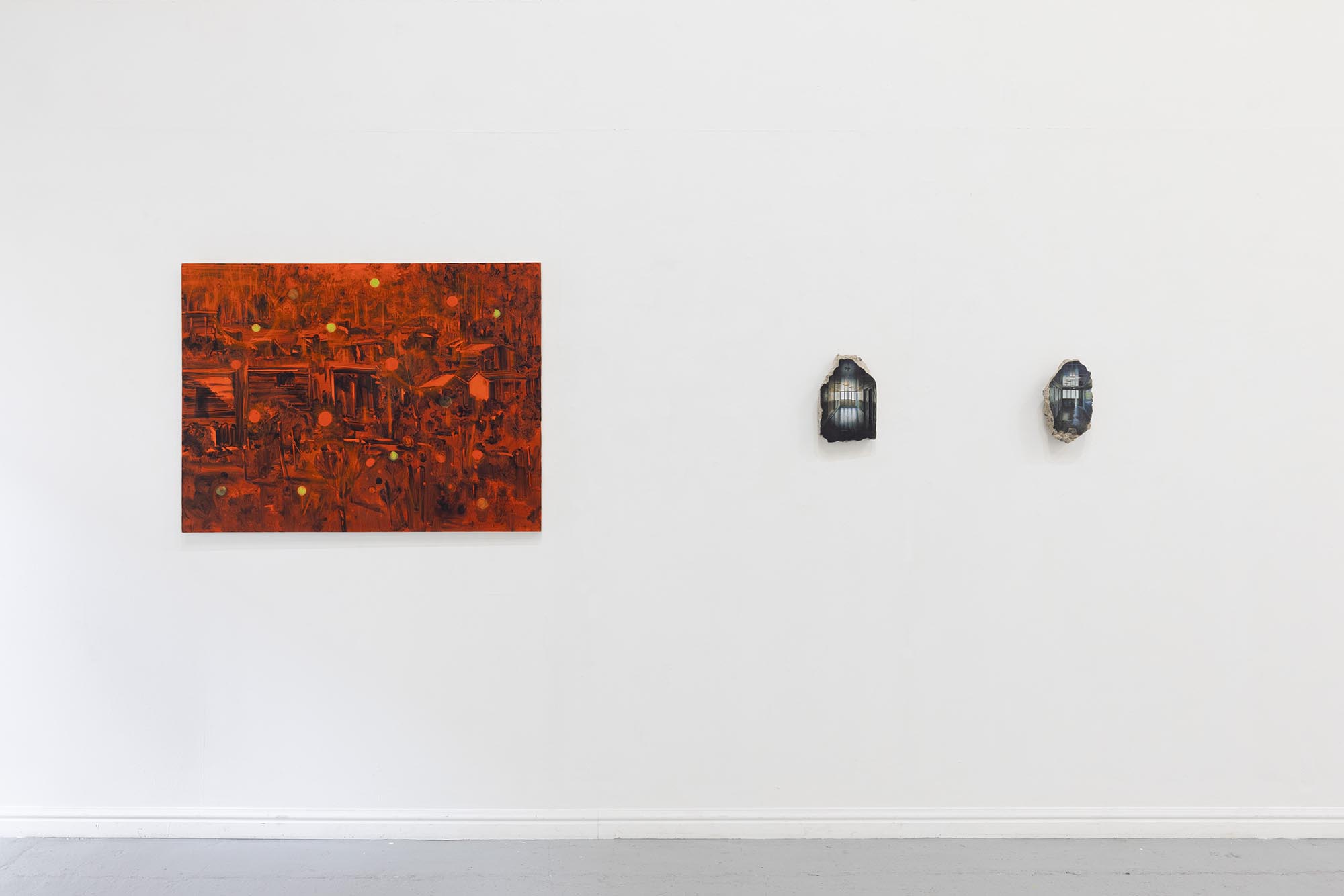
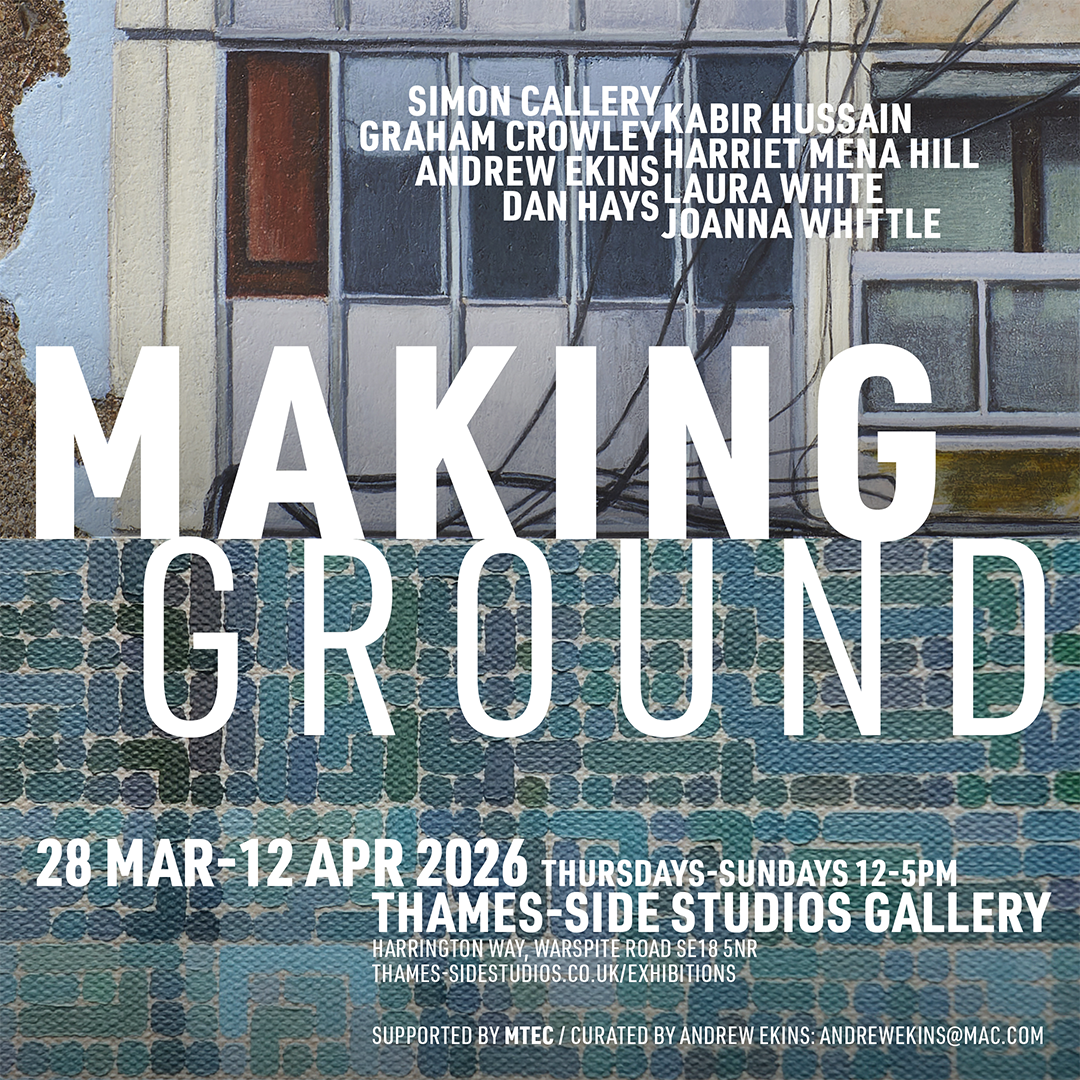
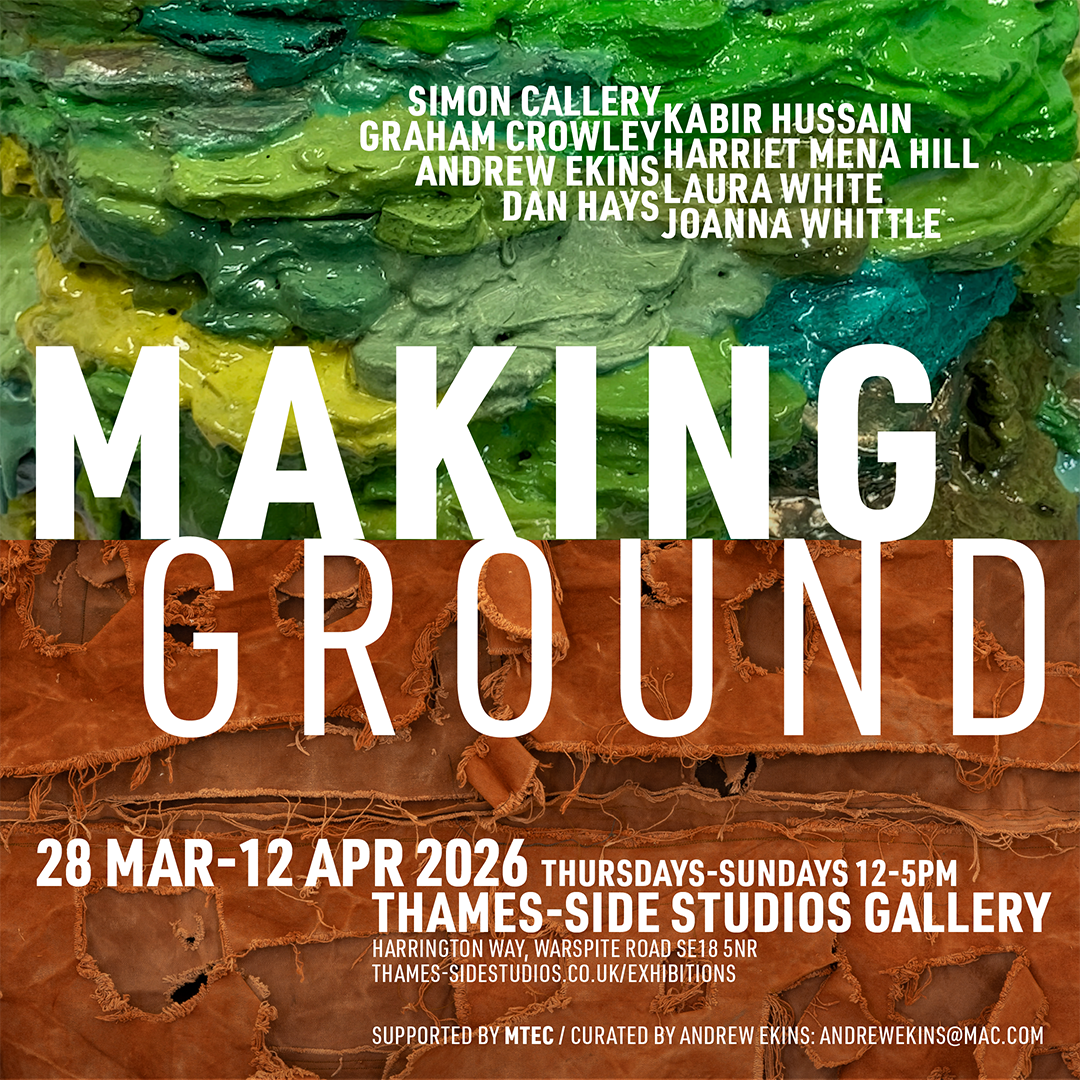
Making Ground
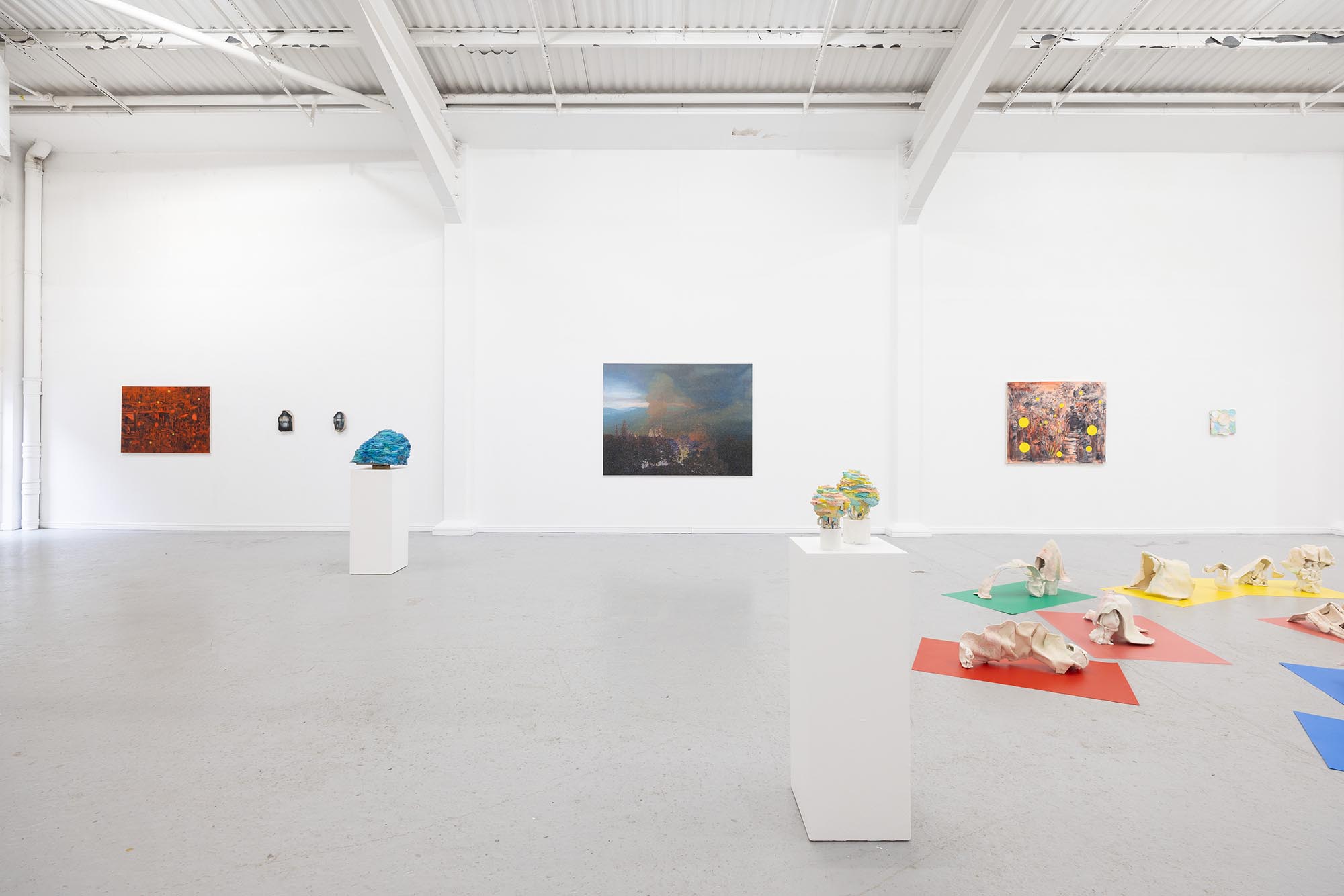
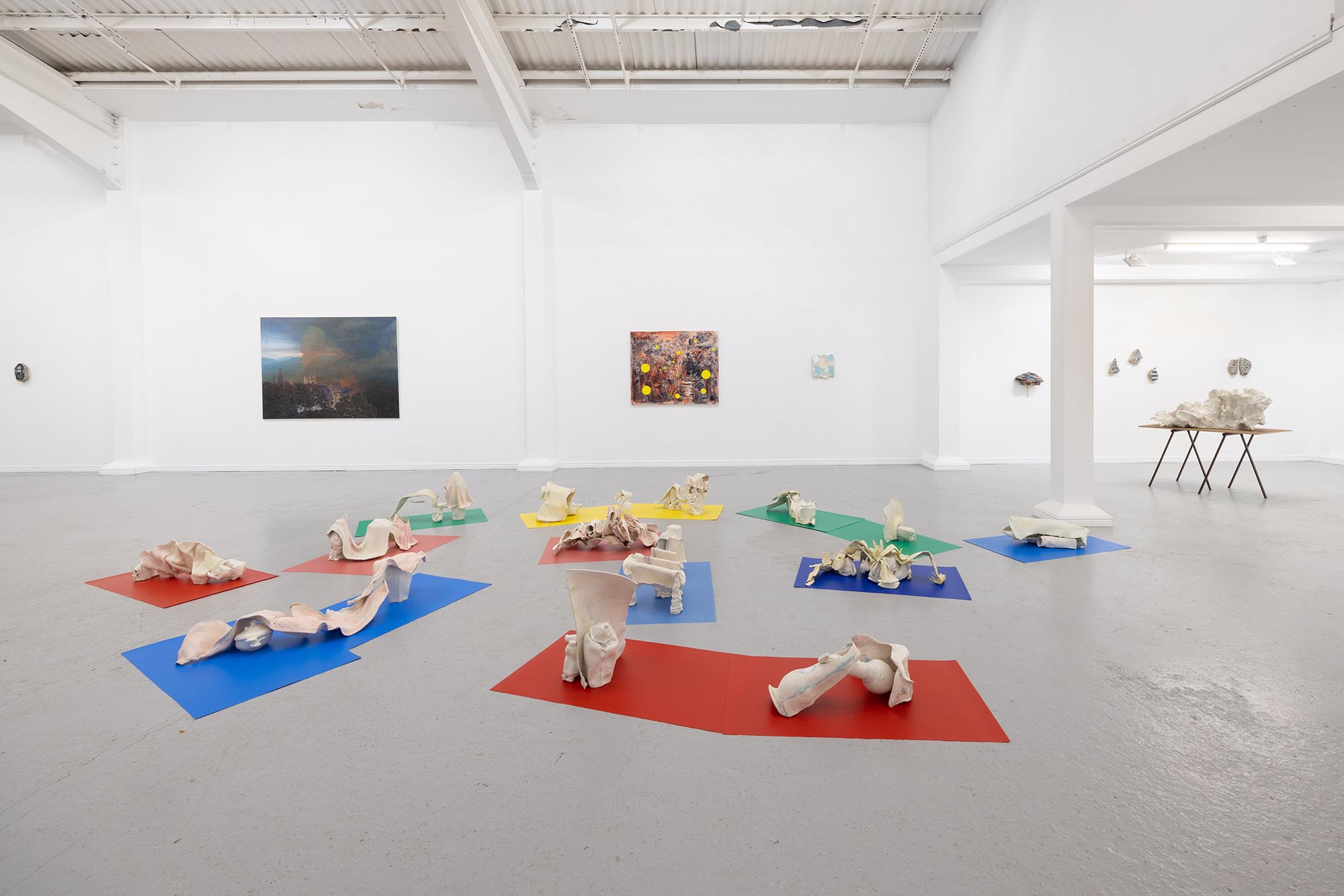
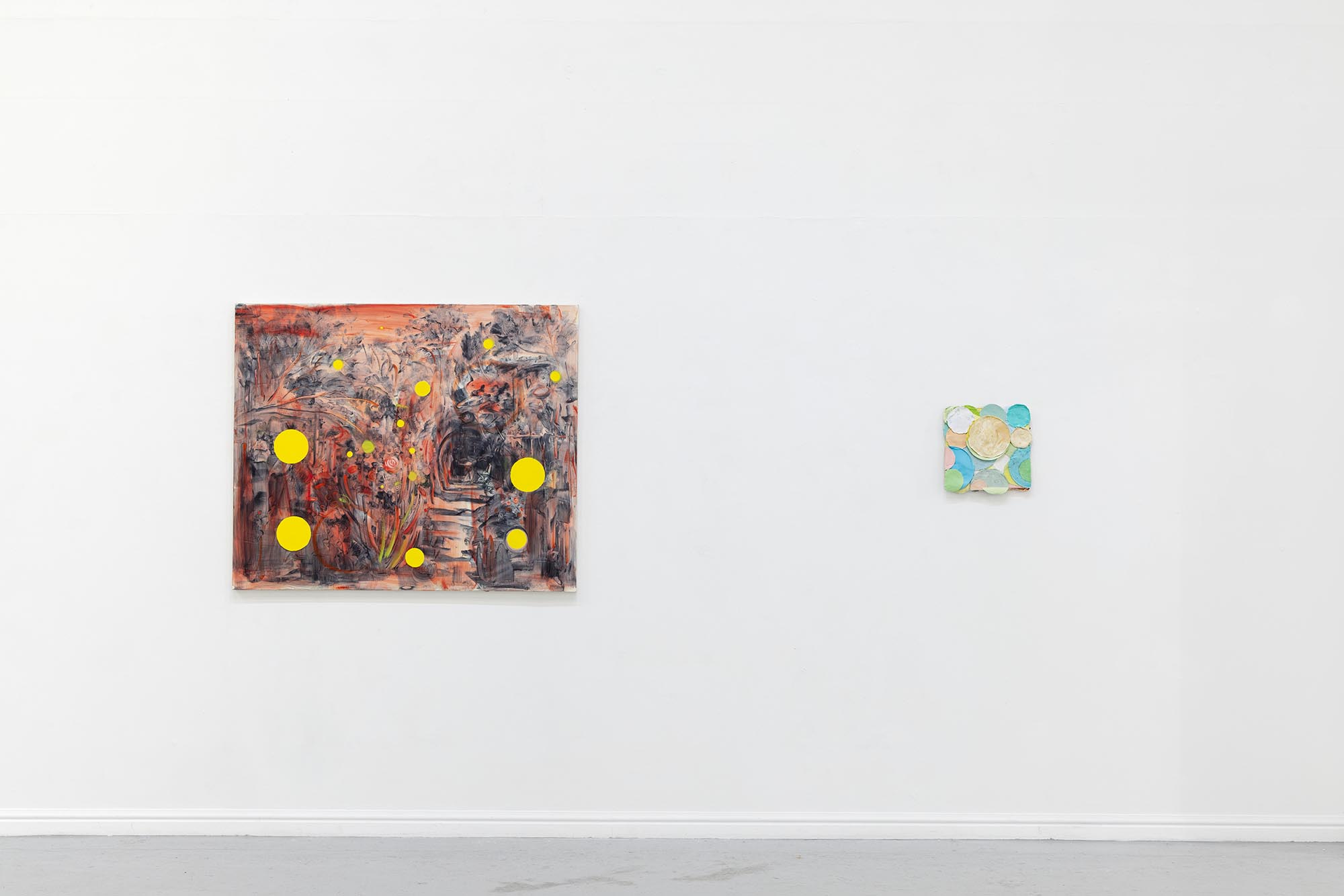
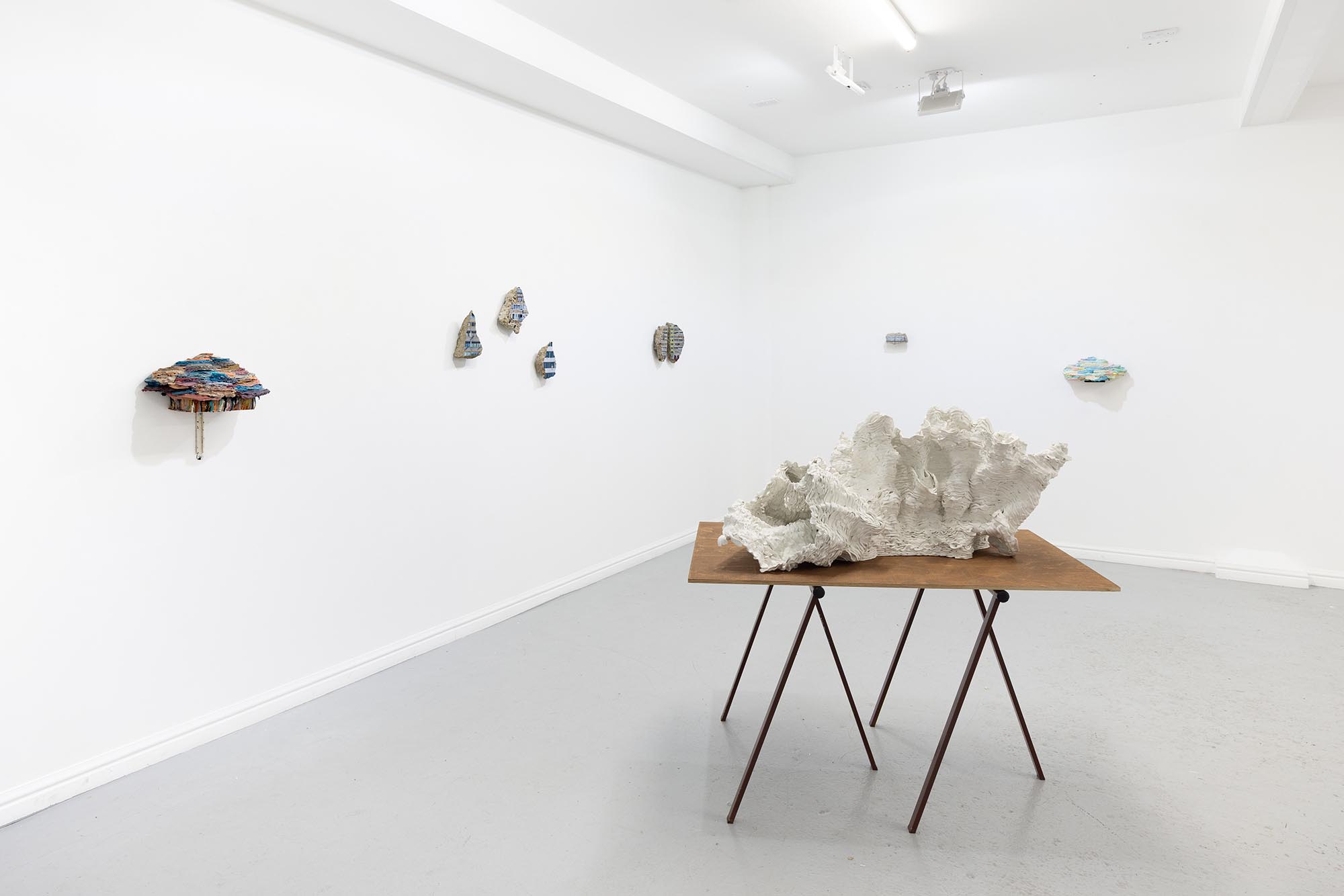
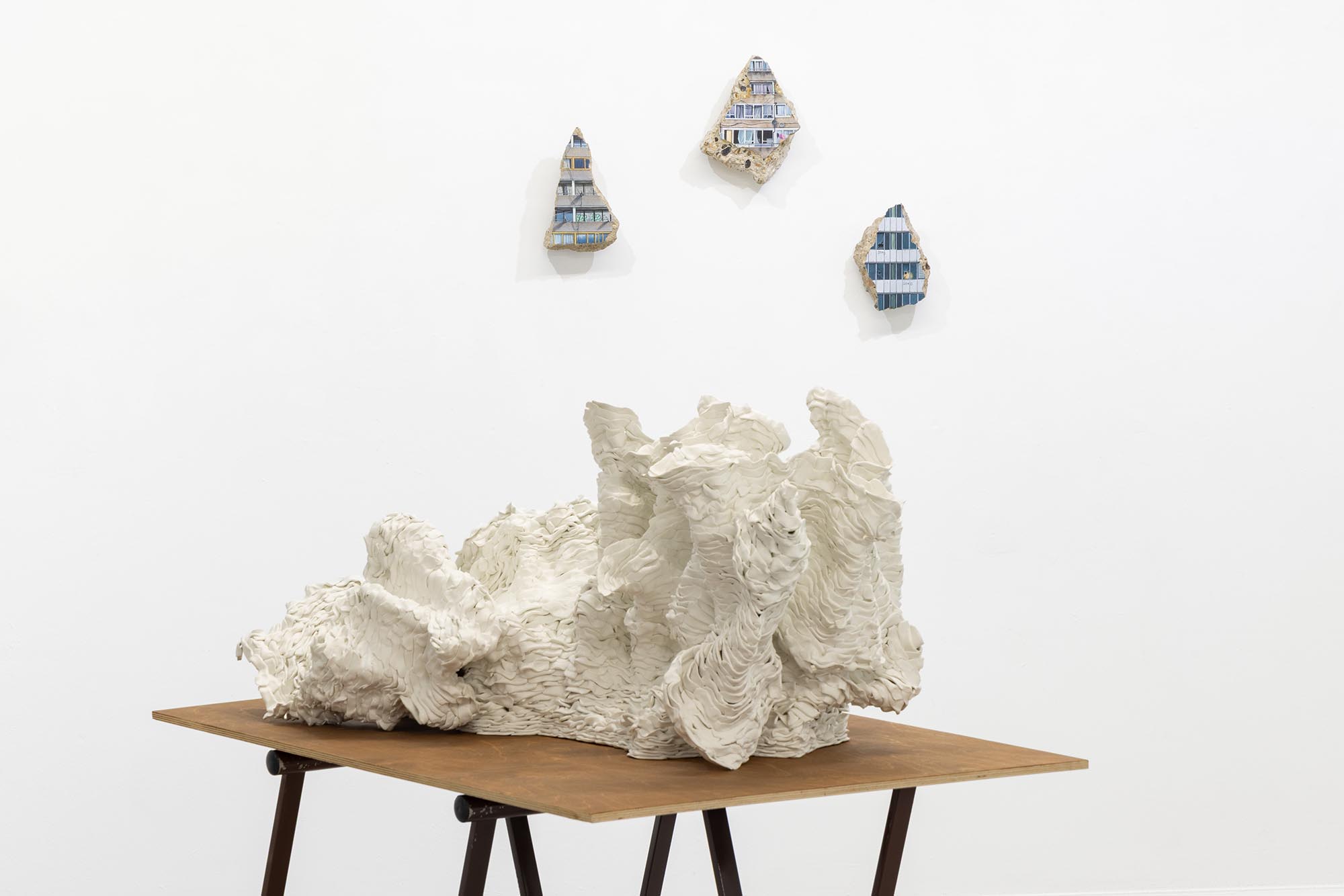
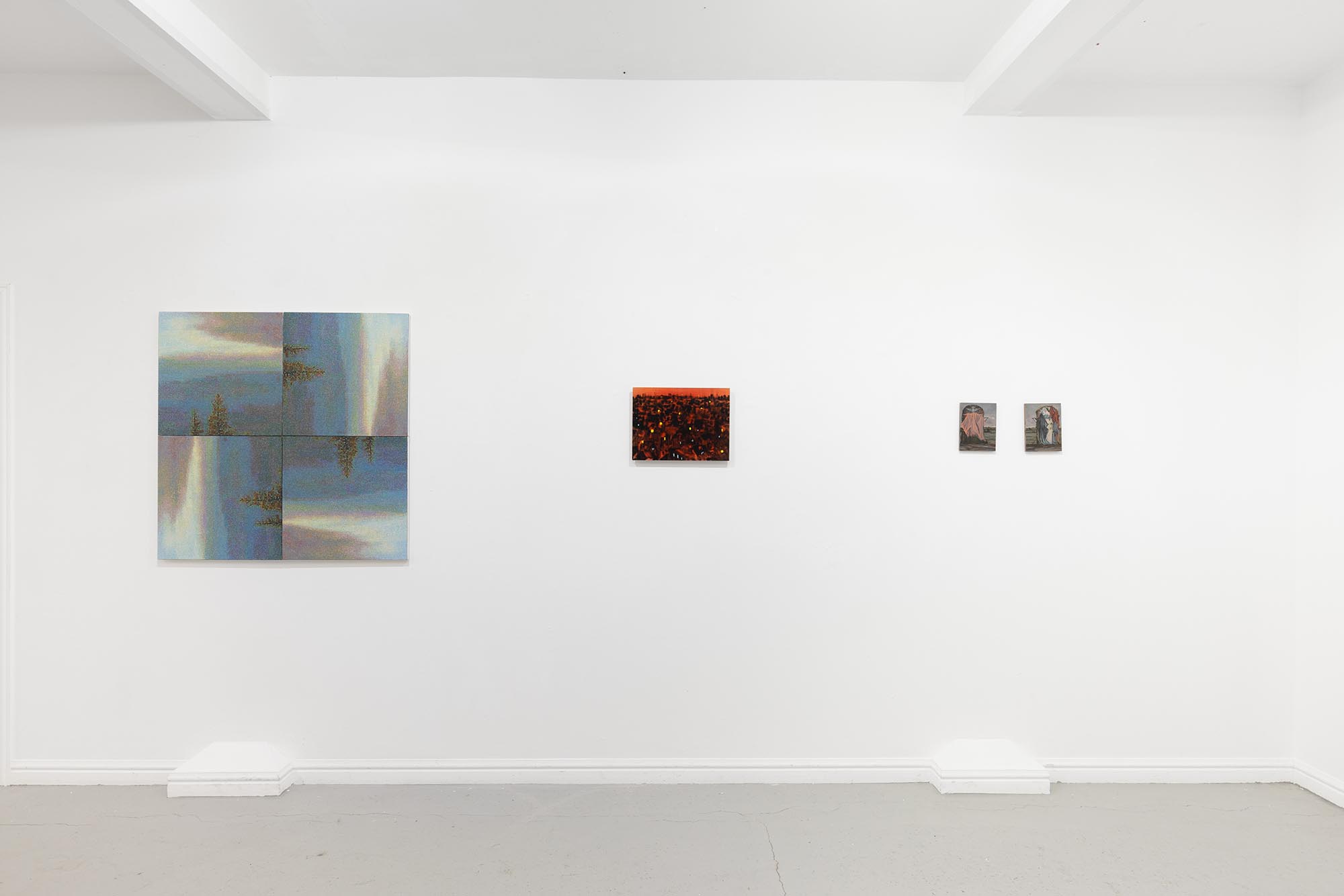
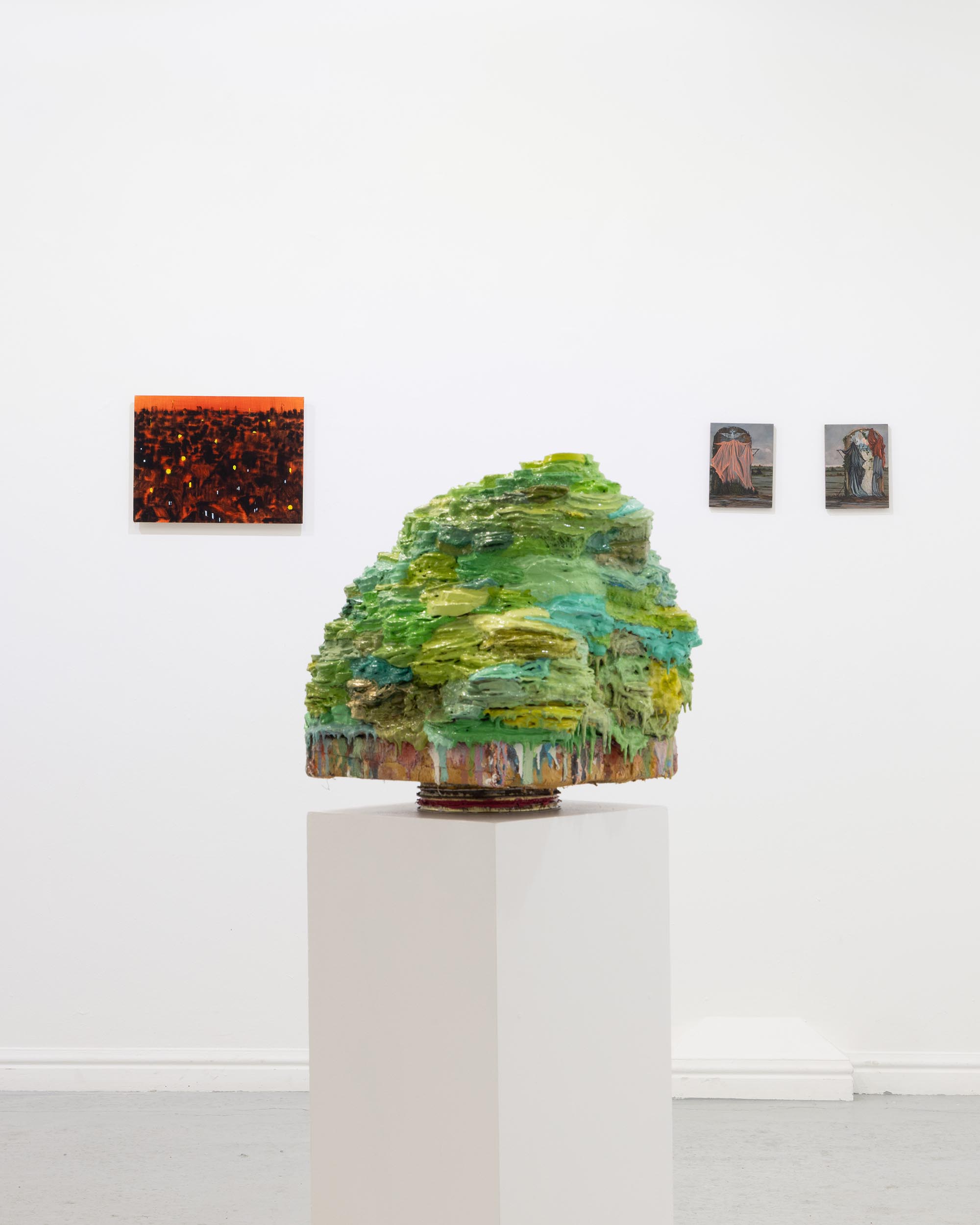
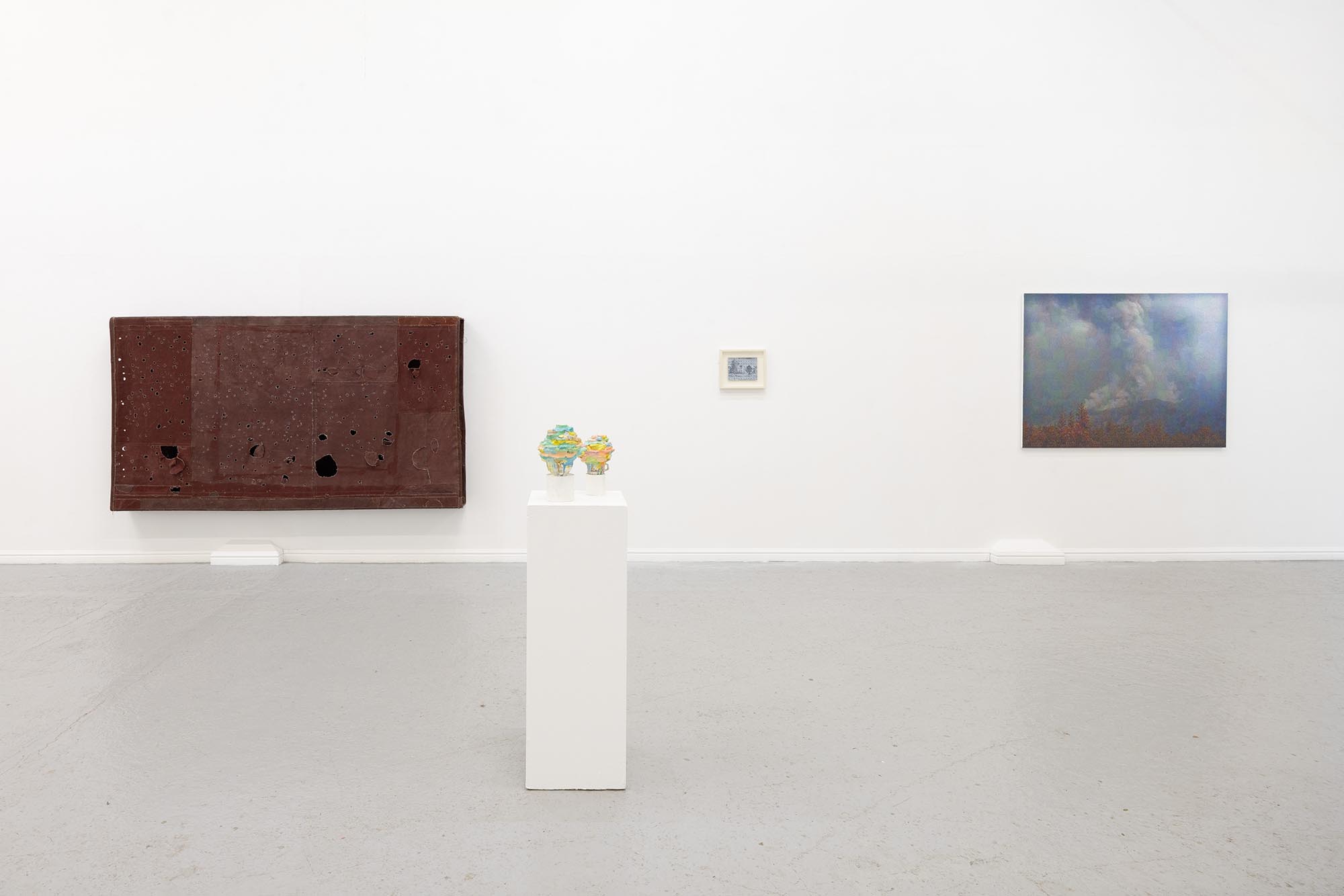
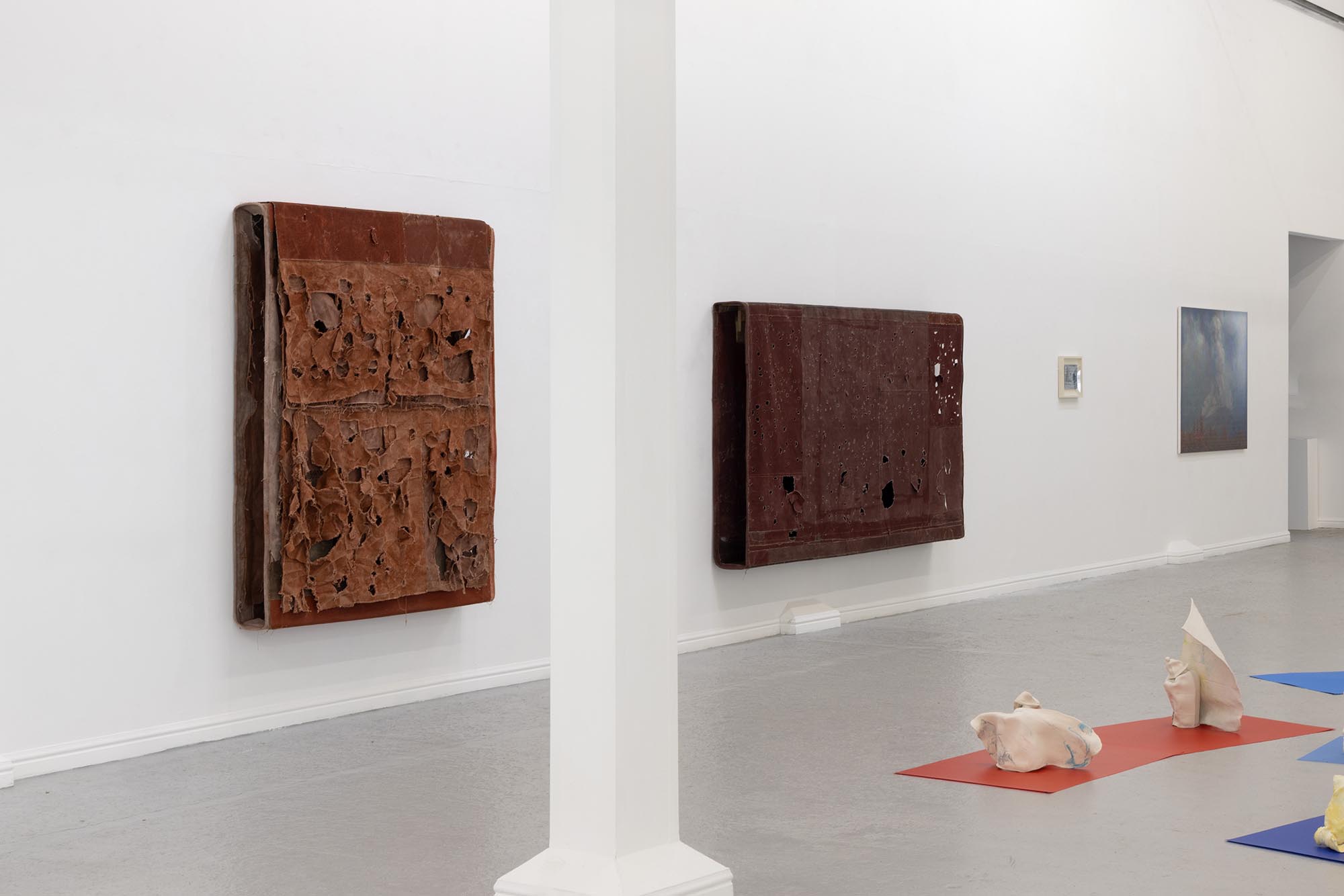
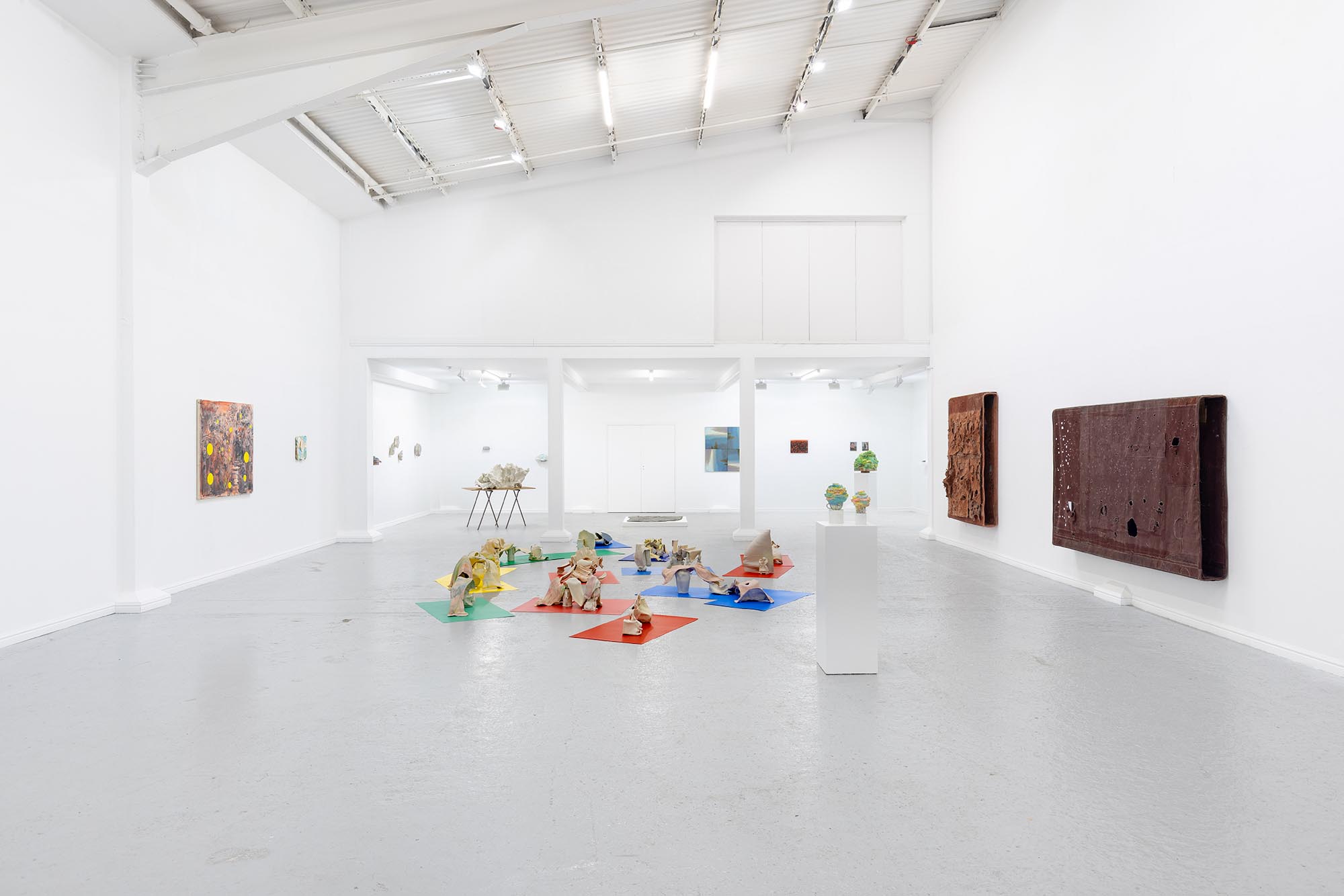
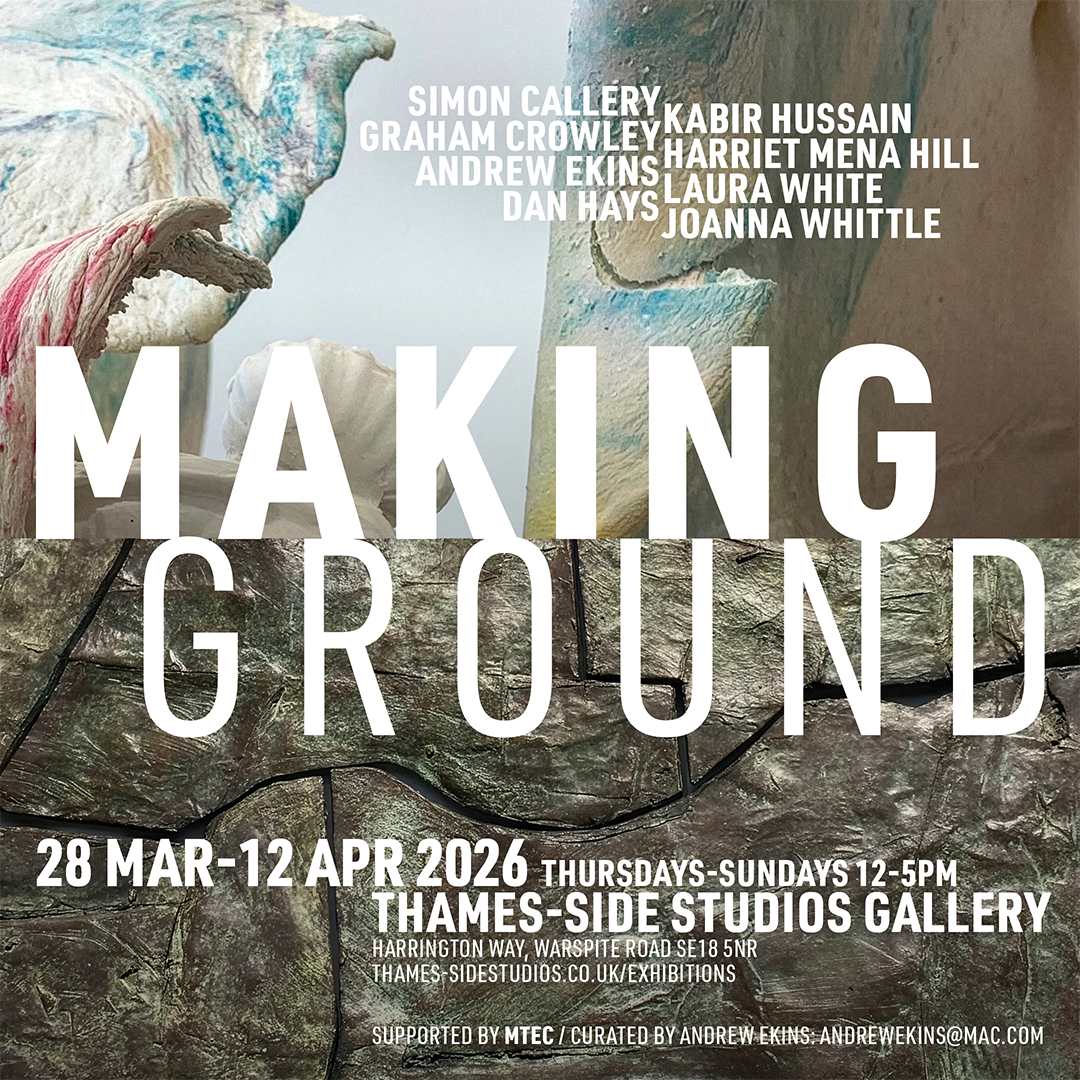
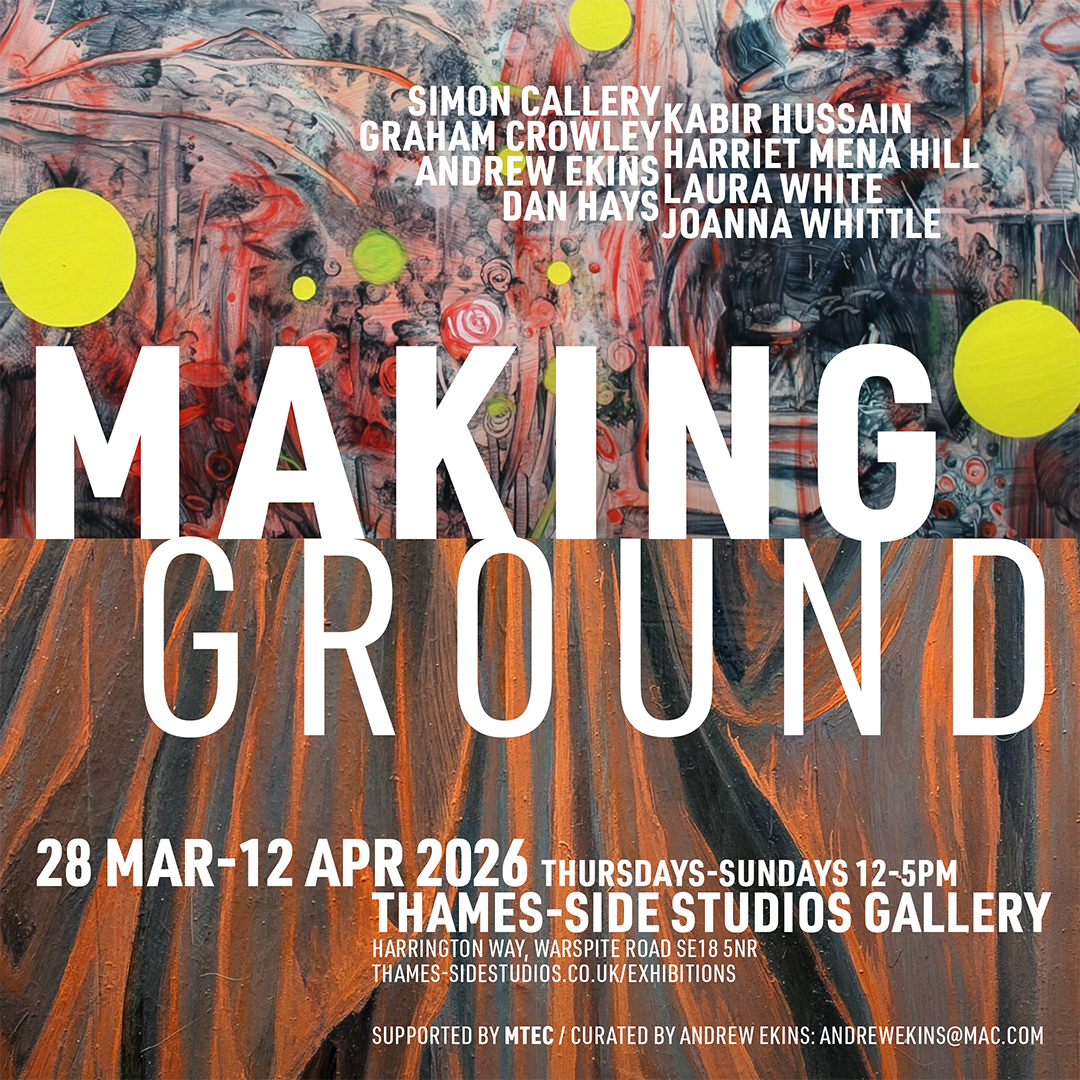
Curated by Andrew Ekins, Making Ground brings together artists whose practice finds common ground in an exploration of the relationship between a topographical terrain and a crumpled landscape of the human condition. Each artist delves into the shifting strata of memory and experience, mining a seam of personal reflections on the character and consequences of the human signature incised into the ground beneath our feet. This exhibition is a part of Ekins' continuing personal creative research project. As an enquiry into the sediment of human presence, it sets out to investigate the friction between habitat and habitation, the intricate relationship between human intervention and mother nature, drawing a line between the time-worn evidence and tell-tale traces of the human stain. About the artists: Simon Callery's two works in this exhibition were made over time on archaeological Iron Age hill fort excavations sites at Bodfari, in Denbyshire, North Wales and Nesscliffe Hill, Shropshire. Both express a continuing language of painting rooted in materiality. Callery aims to be as direct as possible, making as much of the painting under the same conditions as the diggers as they worked. Once a trench had been fully excavated, he would lay out canvasses and working his way over it, would mark, cut and puncture the fabric where he felt contact with the features of the archaeological surface beneath. These marked canvasses would be stitched together back in the studio to construct the body of the painting. Seeking alternatives to replace traditional image-based painting processes with a physical equivalent: for a line, he makes a cut; for the illusion of depth, he constructs an actual space; and for narrative, he leaves evidence of how a work has been constructed. A finished painting does not depict the place where it was made, it is a record of physical contact with it. Graham Crowley has a passionate approach to the transformative act of painting. His selection of subject (a woodland, a motorcycle workshop, reflections in a pond) is guided by a light filled love of place, by identity and belonging. He asserts painting to be a luminous discourse, a counterintuitive conversation with history and the expectations of those looking at the finished works. Often letting the paint itself do the work, he has said that the genre of landscape painting has “the potential to be rather like love letters: fuelled with rage, passion, & occasionally hope”. Andrew Ekins painting focuses on the anthropocentric relationship between people and the landscapes we create and inhabit. The sediment of experience and memory imbued in his use of materials forms an allusion between a geo-topographical landscape and the grime of human presence, creating a crumpled landscape of the human condition. the marks we make, our potent imprint. Kabir Hussain is an artist who is very much attuned to the environment. Observing it closely, he works from landscape and plants both on a minute and a grand scale. He both draws and makes sculpture in bronze. His work appears to be about questioning materials and forms, about his physical response as a maker to landscape, about the transformations that he is able to effect. Hussain brings worlds together and indeed keeps them apart. As an artist working across cultures, his work is literally about roots and stones in the soil. But it helps us to ask much bigger questions about place and identity, about nearness and distance. And the lived experience of humans and nature. Dan Hays explores the relationship between the intangible, encoded and instantaneous realm of digital technology, and the tactile, flawed and time-consuming medium of painting. Often working from low-quality landscape photographs and video stills sourced from the Internet, images are extensively digitally manipulated before being methodically transcribed onto canvas. His paintings present a paradoxical visual realm where shimmering pixels and physical brushstrokes coalesce. Harriet Mena Hill’s paintings repurpose the salvaged material to form a fragmented visual record of the original buildings. The images reveal a formal beauty in the geometric lines and grids of the Brutalist towers and speak with poignancy of the individual lives lived within. Appearing almost like relics and imbued with nostalgia, their details of night - lit windows, washing fluttering on balconies or a graffiti tag are evidence of the human presence, Whilst acknowledging the inevitability of change in any urban environment the work seeks to give a voice to communities and individuals who are often overlooked by civic planners.’ Laura White’s practice focuses on process and how objects/things come into being, a journey with materials, being exposed to the breaks, mistakes and failures of substance to open up new directions and possibilities. With an emphasis on the handling of materials - stable material such as ceramics and concrete, the changeable matter of clay, bread dough and silicone rubber – White responds to material behaviours, her personal relationships to them, alongside their historical and social contexts. Joanna Whittle’s work is an exploration of real and imaginary landscapes. Her use of oil paint allows her to create an illusory quality in her work, blurring the lines between reality and imagination. Elements of her work are reminiscent of romanticism, depicting structures in the process of decay and studying their relationship to their environment. In doing so, her use of realism opens up eternal themes such as the passage of time, history and memory. Making Ground List of Works (pdf): 2026-04 Making Ground List of Works.pdf Thames-Side Studios Gallery Thames-Side Studios Harrington Way, Warspite Road Royal Borough of Greenwich London SE18 5NR Open Thursday-Sunday, 12-5pm. For general Thames-Side Studios Gallery enquiries please email [email protected] Disabled access. Free, limited parking is available on site. How to get here: Bicycle: Thames River cycle path (16 mins cycle from Greenwich). Bus: 161 / 177 / 180 / 472 to Warspite Road bus stop. DLR: Woolwich Arsenal (1 minute walk to Plumstead Road and take Route Bus 177 towards Peckham Bus Station or 472 towards North Greenwich Station). Road: A2 corridor, first roundabout east of Thames Barrier onto Warspite Road. Train: From Cannon Street or London Bridge to Woolwich Dockyard (8 minute walk) or Charlton (12 minute walk). Tube: North Greenwich (Take the Route Bus 472 towards Thamesmead Town Centre). Crossrail: Elizabeth Line to Woolwich (take Route Bus 177 towards Peckham Bus Station or 472 towards North Greenwich Station).